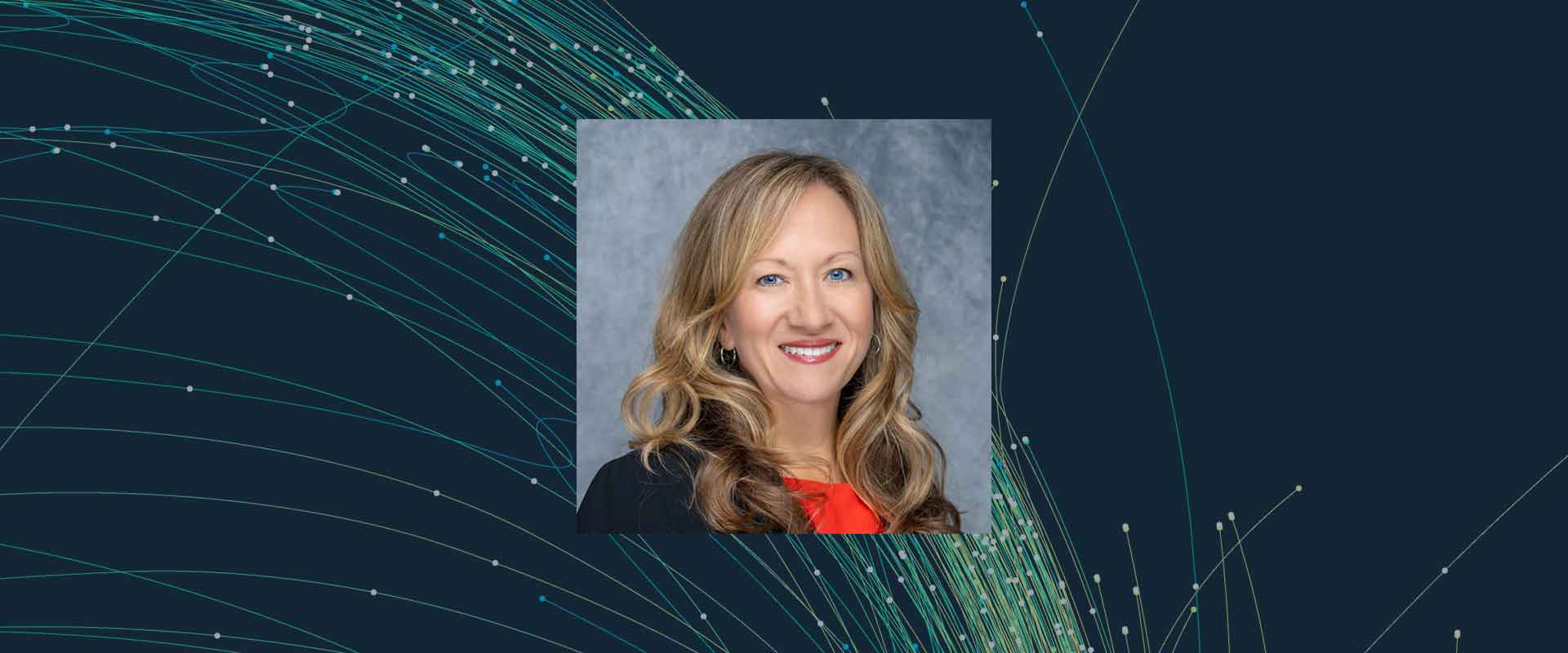
A frank conversation with Carrie Koenig, VP of Patient Experience & Communication at MedStar Health Home Care, and what her team’s experience means for yours.
A 30-year physical therapist tells you she was planning to retire, not because of her patients but because of her documentation. Then she changes her mind.
That’s not hypothetical. It’s what Carrie Koenig, VP of Patient Experience and Communication at MedStar Health Home Care, shared in a recent nVoq webinar. It’s the kind of story that should stop any clinical operations leader mid-scroll.
If documentation burden is quietly driving out your most experienced clinicians, no staffing strategy fixes that. The problem is upstream.
Carrie has spent 25+ years helping organizations navigate exactly these kinds of problems that touch clinical workflow, employee experience, and technology change all at once.. In Cut Through the AI Noise, she shares what her team at MedStar has learned piloting AI documentation tools in the field: what’s working, what needs adjusting, and what it takes to build adoption that holds.
Here are the highlights. The full conversation, including her pilot structure, her framework for consent and patient coaching, and her pointed questions for any AI vendor, is available on demand below.
Your clinicians aren’t leaving because of the work. They’re leaving because of paperwork.
Carrie is direct about what documentation burden costs, and time is the least of it.
She describes clinicians finishing their visits and then going home to document for another three hours. People entered home health to care for patients, and instead spend their evenings charting. That’s a retention problem and a morale problem, and it compounds in ways that turnover data doesn’t fully capture.
It’s the first AI I’ve tried that I haven’t hated.MedStar Clinician
Ambient AI isn’t the right tool for every visit
One of the most valuable threads in the session is Carrie’s honest accounting of where conversational capture works, and where it doesn’t.
A noisy home environment with multiple voices can produce poor conversational capture. A two-hour start-of-care visit probably isn’t best served by ambient listening for the entire duration, a portion may call for traditional dictation or manual entry.
Carrie’s framing: dictation and ambient aren’t competing tools. They’re complementary. The skill is knowing which to reach for when, and building that judgment into training from day one.
Watch the webinar for the specific visit types and clinical scenarios where Carrie’s team has found each approach fits best.
What the full recording covers
The highlights above are a starting point. In the full 54-minute conversation, Carrie goes deeper on the questions that matter most to clinical operations leaders right now:
- How to build a pilot cohort that actually surfaces problems, including why you need the skeptics and the resistors in the room, not just your high performers
- The specific visit types and clinical scenarios where her team reaches for conversation capture vs. dictation
- How to talk to patients who are worried about being recorded
- The accountability question that keeps her up at night, and exactly what she demands from AI vendors on documentation review and compliance
Chris Corsetti, VP at nVoq, closes with a practical evaluation framework for organizations making these decisions now, grounded in Carrie’s examples and built for the realities of home health.